We’ve had a number of enquiries recently about the Government’s proposed 70 square metre minor dwelling pathway. You’ve probably seen it framed as: “Build up to 70m² with no consent required.” On the surface, that sounds appealing. Add a minor dwelling at the back of the section, accommodate family, create rental income, increase value, and avoid the usual consenting process. But this is where it’s important to slow down. The reality isn’t quite as straightforward as the headlines suggest.
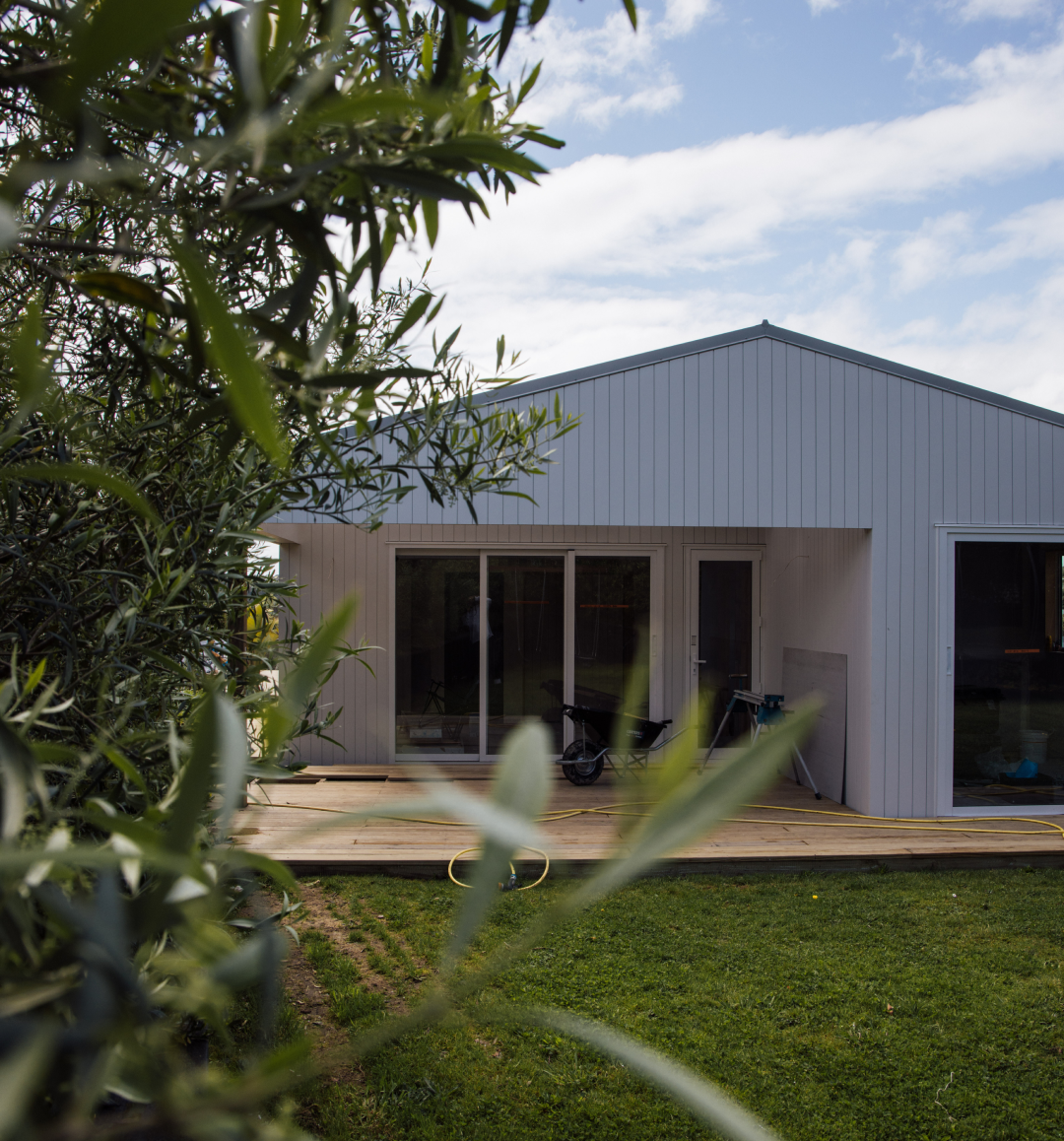
It’s also worth noting that this one is close to home for us. One of our team, Blake, went through this process himself and is keen to help others avoid the same surprises. What he expected to be a straightforward minor dwelling on his own property, quickly became a bit of an ordeal.
A resource consent was required, and then because the site was close to a public manhole, a surveyor was needed to confirm it sat outside the influence zone. Geotechnical investigation then identified poor ground conditions, leading to upgraded foundation requirements. Fire rating and post-structural stability requirements also came into play, including upgrading a timber wall so it would remain standing in the event of a fire. All of it was necessary, but it’s a clear example of how even a “simple” minor dwelling can become more complex once the full site and compliance picture is properly assessed.
First, while the Government has proposed a pathway allowing a standalone dwelling to up to 70m² to be built without a building consent, this doesn’t mean there are no rules at all. The dwelling still needs to meet a defined set of criteria. Even when building consent isn’t required:
• It must still comply with the NZ Building Code
• It still requires proper design
• Licensed trades and LBPs are still required
• Council must still be notified before and after construction
In other words, you may not need a consent, but there still is a compliance pathway.
The key point many people miss is that you might not require building consent, but you may still require resource consent. Planning rules continue to apply, including:
• Site coverage
• Setbacks from boundaries
• Relationship to the main dwelling
• Zoning controls
• Flood or hazard overlays
• Heritage areas
• Wastewater and stormwater capacity
• Earthworks volumes
If the design or site falls outside permitted planning standards, you’re back into resource consenting, even if the building itself qualifies as consent-exempt.
This exemption is not intended for complex or highly customised designs. To remain within the pathway, the dwelling generally needs to be:
• Single storey
• Under 70m²
• Within height limits
• Structurally simple
• Set clear of boundaries and other buildings
• Positioned close to ground level
Introduce mezzanines, complex roof forms, steep sites, or close boundary construction and you can quickly move back into full consenting requirements.
In our experience, the structure itself is rarely the most complicated part. It’s the supporting infrastructure:
• Drainage connections
• Stormwater upgrades
• Wastewater capacity
• Water supply
• Power upgrades
• Site access
• Earthworks
• Retaining
This is where additional cost and approvals can surface if not assessed properly at the outset. This is often the point where expectations shift. What initially sounds like a straightforward, consent-free solution becomes a project that requires careful planning and due diligence. That’s not a negative. Minor dwellings can be an excellent opportunity for families and investors. The key is going in with a clear understanding of what’s involved.
There’s one more important consideration. Even though it’s “only” 70 square metres, it is still a substantial structure and a significant investment. You’re still paying for foundations, framing, roofing, cladding, joinery, kitchens, bathrooms, drainage and services. The cost profile is not dramatically different per square metre simply because the footprint is smaller.
When investing at that level, early planning matters. Building in the wrong location on the site, too close to boundaries, outside planning controls, or without fully understanding services capacity can lead to remedial work later, often costing many thousands to rectify.
In more challenging cases, we’ve seen projects require redesign, service relocations, retrospective consents, or alterations to completed work. That’s not where you want to be after committing to a build of this scale.
This is why early involvement from an experienced building partner is important. You need someone who can assess the full picture – planning, consenting pathways, drainage, services and buildability, not just the physical build. At NZ Builders, we can:
• Sense-check feasibility
• Identify planning and consenting risks
• Guide the appropriate approval pathway
• Coordinate consultants where required
• Review drainage and services requirements
• Deliver the build to the required standard
The goal is clarity from day one. If you’re considering a minor dwelling, we’re happy to have a conversation about the best way to approach it, and ensure it’s worth the investment.
We’ve compiled a seven point checklist of things to check before you build a 70m² consent-exempt dwelling, so if you’re exploring the new 70m² consent-exempt pathway, work through the following before committing.
1. Does your site comply with planning rules?
Even without building consent, resource consent may still be required depending on:
• Zoning
• Site coverage limits
• Density controls
• Overlay restrictions (flood, coastal, heritage)
2. Are boundary setbacks compliant?
Consent-exempt does not override planning controls.
Confirm:
• Distance from boundaries
• Separation from the main dwelling
• Height-to-boundary requirements
Overlooking this can trigger resource consent.
3. Will your design stay within exemption criteria?
To qualify, designs generally need to be:
• Under 70m²
• Single storey
• Within height limits
• Structurally straightforward
• Positioned close to ground level
Adding complexity can move the project back into full consenting.
4. Can your services support an additional dwelling?
Common pressure points include:
• Wastewater capacity
• Stormwater infrastructure
• Water supply
• Power connections
• Internet and communications
Upgrades can materially affect total project cost if not identified early.
5. What earthworks or retaining is required?
Even modest builds can involve:
• Cut and fill
• Retaining walls
• Access platforms
• Driveway extensions
These works may require separate approvals.
6. Have you budgeted for the full project cost?
It’s not just the structure.
You’re still investing in:
• Foundations
• Structure
• Roofing and cladding
• Kitchens and bathrooms
• Drainage
• Service connections
A 70m² dwelling remains a significant financial commitment.
7. Have you engaged the right professionals early?
Early advice can prevent expensive corrections later.
You want upfront input around:
• Feasibility
• Planning risk
• Approval pathways
• Services strategy
• Buildability
Addressing issues after construction begins can be costly and disruptive.